The gas station we prepared a plan for on Yarrow Central Road is an old building doing a modern job. The store was built in 1944, a single storey of wood frame with stucco, brick and cladding outside. Inside there is the convenience store, storage rooms, a lunch room, an electrical room and a washroom. Outside is the pump island under its canopy, and under the property are two tanks holding about 22,500 litres of gasoline and 22,500 litres of diesel.
The fire safety plan for a place like this is less about evacuating a building and more about what a few staff do in the first minute at the pumps.
Sprinklers, but no fire alarm
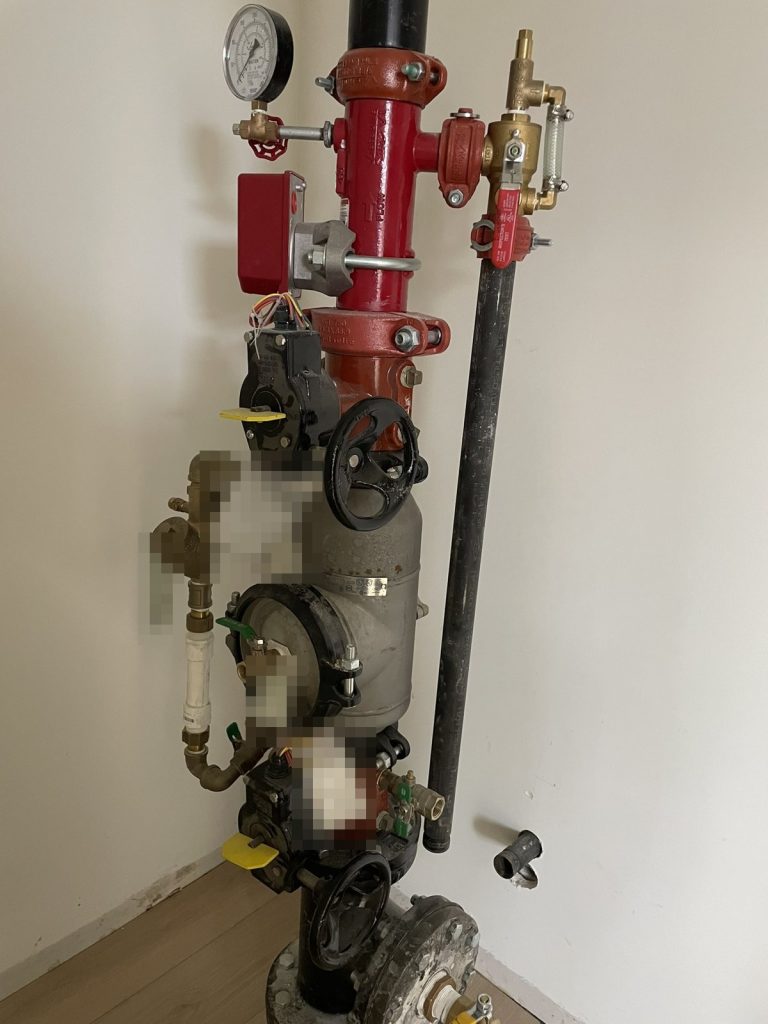
The store has a wet sprinkler system throughout, with the control valve and the water shut-off in the lunch room on the north west side. It does not have a fire alarm system. Instead, a horn and strobe are connected to the sprinkler flow switch, so water moving in the pipes sounds locally. Smoke alarms are installed throughout the store.
The plan has to be honest about that. Nobody is going to be warned by a panel, and nothing calls for help on its own. Staff are the alarm, and the plan’s instructions are written for them.
Two buttons that stop the fuel
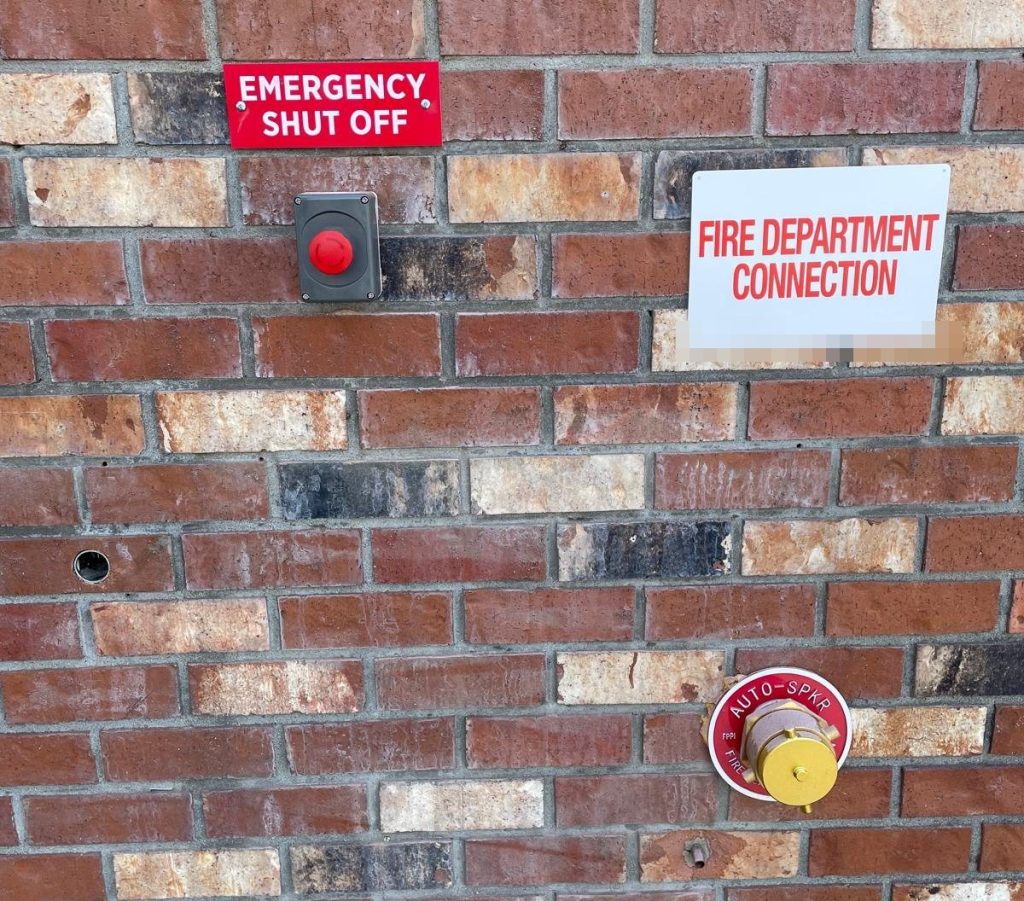
There are two emergency shutdown buttons for the fuel system: one outside on the north west side of the building and one in the electrical room. Either one cuts all power to the fuel dispensing system. The plan says to use it immediately for a spill or a fire at any dispenser.
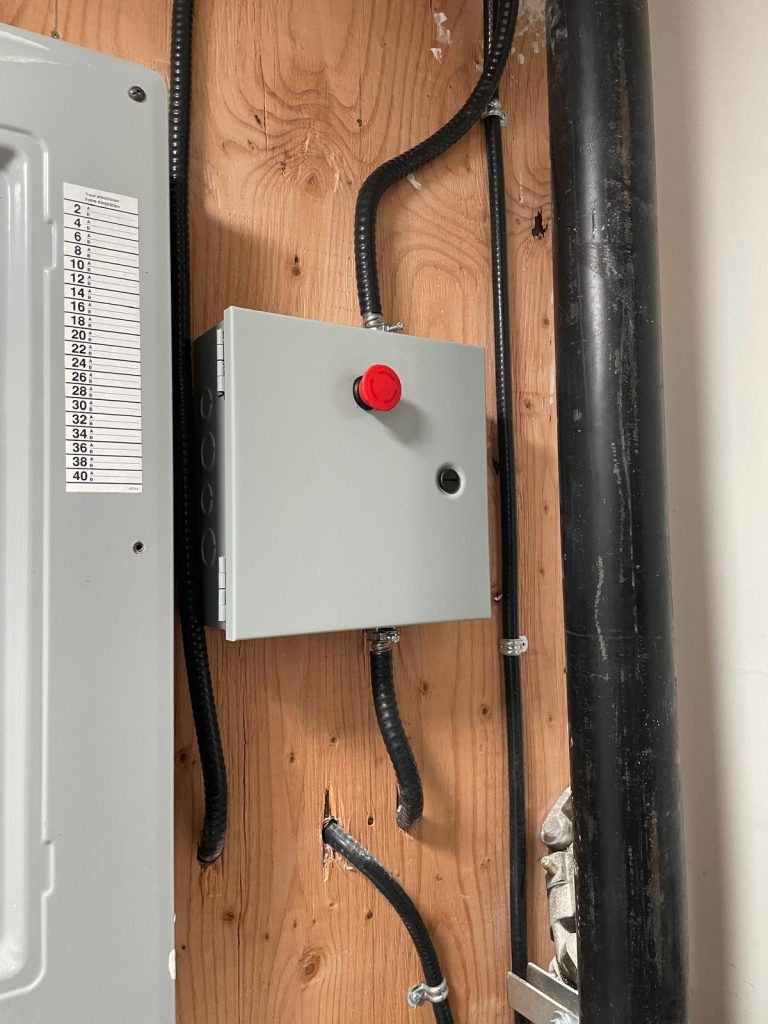
We replaced the usual instructions to occupants with emergency duties for the attendants. For a fire at the pumps, the order is: assess the danger, hit the emergency pump stop, clear staff and customers well away from the fuelling area without trying to move vehicles, call 911 with the station name and address, and only then use an extinguisher if it is safe. Portable extinguishers are mounted on a canopy column and inside the main door. The last step is to shut off all power at the main disconnect in the electrical room.
For a fuel spill, the pumps stop first. Customers are kept back and told not to start their engines, and the area is coned off. A spill of more than 10 litres means a call to 911. Vehicles are pushed clear, and the spill is covered with absorbent from the container at the pump island, then disposed of properly.
After an earthquake
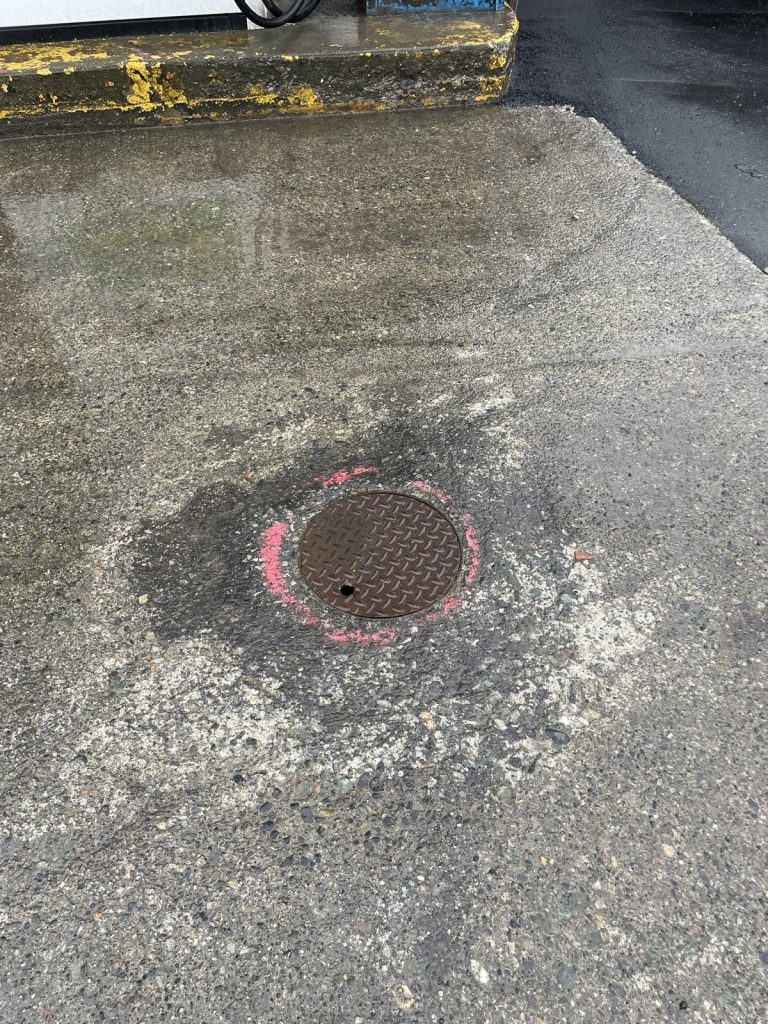
A gas station has a particular problem after a strong earthquake: the tanks and piping are underground where nobody can see them. The plan says to stop dispensing until the site has been inspected for leaks. Once it is safe, staff gauge the underground tanks every two hours, reconcile inventory at least every six hours, check the tanks for water, and do not accept a fuel delivery until leaks have been ruled out.
For the crew that arrives
The fire department connection is a 2 1/2 inch Storz fitting at the north west corner, on the same wall as the outside shutdown button. The key box is on the north west side. There is no roof access from the store. Two hydrants stand across Yarrow Central Road from the station. The natural gas shut-off is on the north east side of the building, and the tanks are on the north east side of the property, marked on the site plan with their placard numbers.
There are two exits: the main door on the north side and double doors on the south side through the storage room. The assembly point is a nearby street corner, chosen to keep people clear of arriving fire trucks.
Our page on what to expect at a fire inspection explains how an inspector checks a plan like this one, and our note on when to update a fire safety plan covers changes such as new pumps or tanks. For more on Chilliwack, see our Chilliwack page.
Need a fire safety plan approved?
Firm quote within one business day. Approval guaranteed.